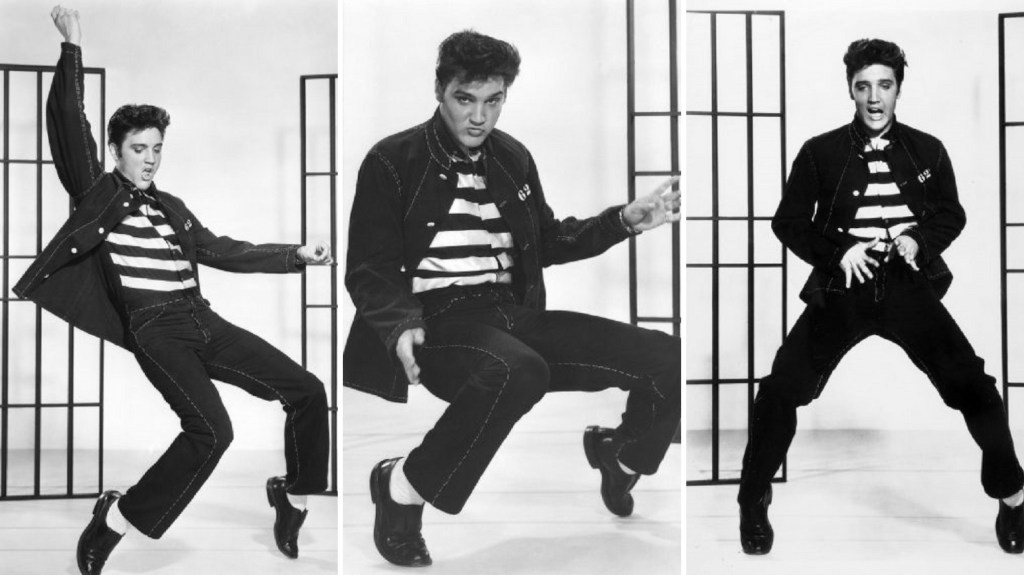
While recently rewatching the Austin Butler version of Elvis with my daughters, I laughed that his gyrating hips were considered shocking and indecent.

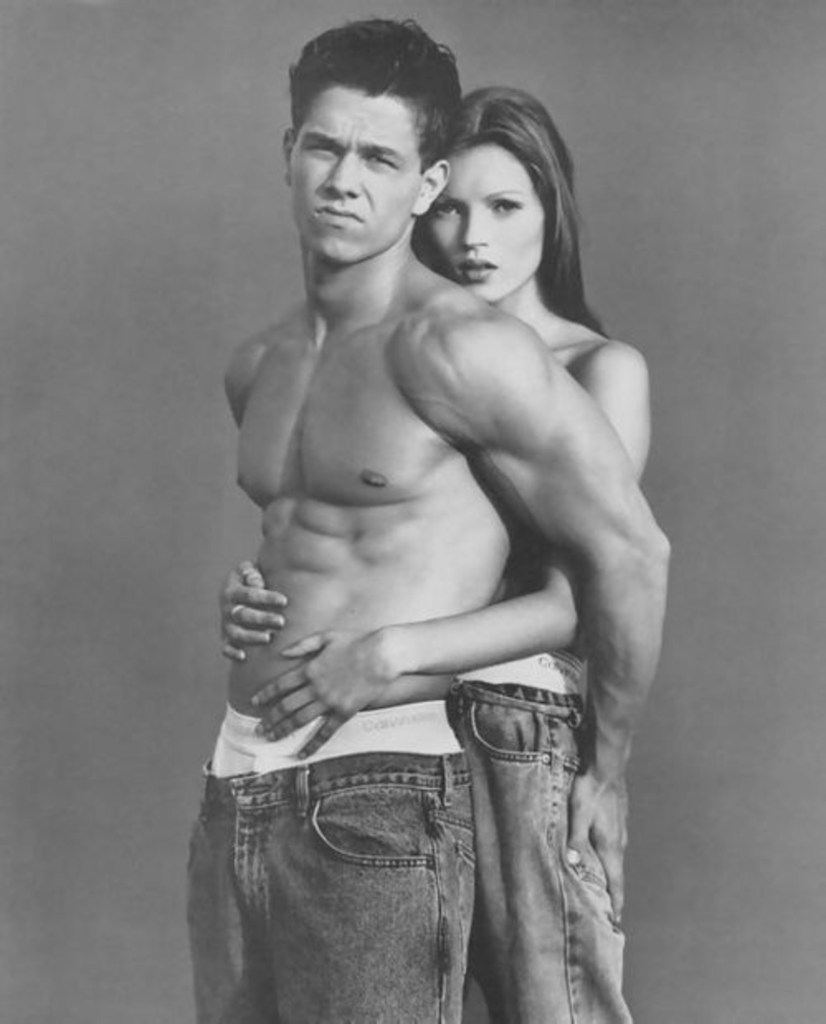
In the 1990’s, using bare chested Mark Wahlberg and Kate Moss with visible underwear bands was labeled a “shock value” marketing ploy in an effort to seize your eyes and sell more Calvin Klein. Compared to marketing campaigns today, previous generational attempts at shock value are comical.
Over the decades, Facebook, Insta, TikTok and the vast host of social media newcomers further contributed to often unnecessary images and words to propel the marketing monster. But isn’t that reflective of the tumultuous, amoral tilt of society?
Now, it’s about more than revenue. It’s about clicks, SEO and climbing like Spiderman, higher than every competitor to not simply make the potential customer’s jaw drop, but make them cringe. Corporations are ok with the latter – because it generates chatter.
Marky Mark’s 1990’s bare abs and low pants are no match for the Balenciaga ads launched in 2022 containing demonic imagery surrounding children.
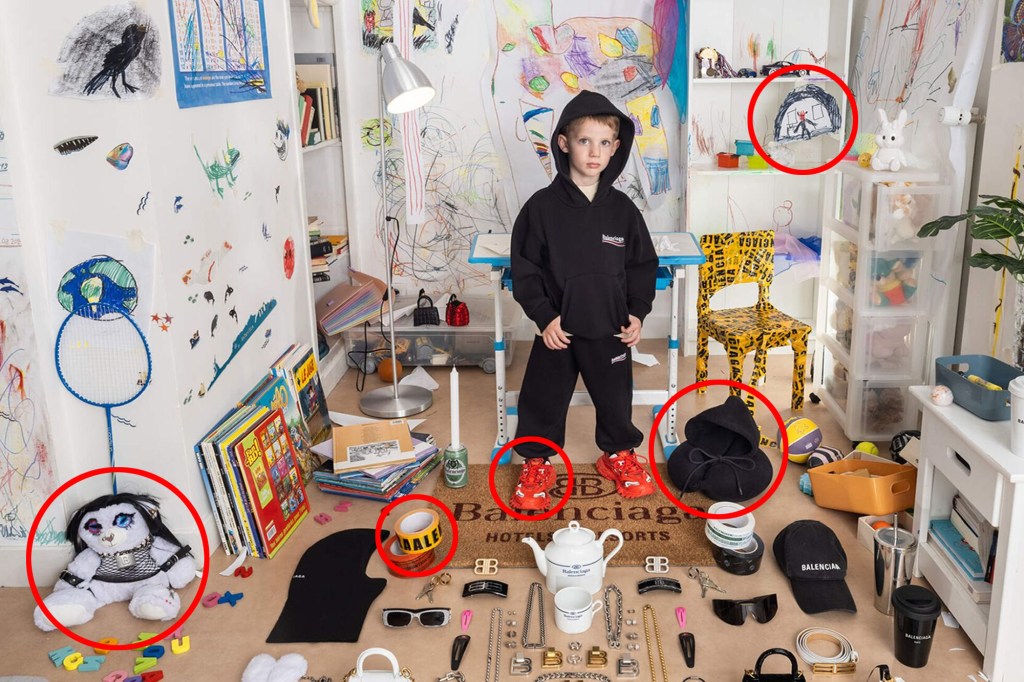


It’s one thing when 363 million consenting Instagram users follow Kim Kardashian. It’s quite another when you can’t sit down with an inquisitive 4-year old to share in the age-old tradition of watching the opening ceremonies of the globally televised Olympics.
We choose who we follow on Instagram, agreeing to receive the images. I suppose there is now a solid argument that merely turning on the television, opening a magazine, walking into a store…means we are automatically consenting to view “whatever” whenever.
In recent years, many people have been disappointed with their favorite brands taking a seat at the cultural and political tables instead of staying at the retail table. Bud Light; Nike Satan Shoes, Target and Doritos are just a few who pushed the generally-accepted retail boundaries. Sure, advertisements have historically reflected culture, but companies have taken it to another level. Most massive corporations are void of interest about specific groups or their agendas when creating the campaigns. They merely use the groups for their gain.
What is the gain? Free public relations. Any press is good press, right? Of course, they apologize, survive, and are quite willing to take additional risks in pursuit of increased profit. The average middle-class American didn’t even know the Balenciaga brand until they posted children with demonic/sexualized images.
In a college course I taught, I asked the students to debate whether or not new cultural norms that pushed long-established boundaries merely evolved as part of natural progression in history, or if they were derived from permissiveness – the proverbial “if you give humans an inch in the wrong direction, they take a mile”.
It was never a dull debate because there was consistently about a 50/50 divide. Many students believed “society just behaves worse naturally as part of the historical progression of other things” (they used industrialization for example, claiming it changed the traditional way of life). Others were confident that “bending the rules…allowing the unspoken etiquette, appropriateness, family norms, etc., that once defined society, to be dismissed as unrealistic and biased”-leads to the demise of good (the example would be allowing Elvis’ hips to be broadcast, not just filming him waist-up…others may think it’s ok to dance like that too).
I doubt advertisers are deep enough to consider their contributions to the erosion of a value structure or offending anyone in particular. Their loyalty (and rightly so) is to their clients and generating shares, clicks and ultimately a purchase. The companies (clients) may have a brief moment of conscience regarding how their consumers will respond to the final ad but move forward anyway, fingers crossed.
Visual corporate advertisements are often quite creative, offering a smart play on words for customers to enjoy. Yes, the point is still to motivate a sale, but we already like to buy! The issue? The journey between advertisement to the “confirm order” button should be a fun indulgence, not generate a cringe response, making us think twice about supporting the company.
In the late 1950’s, society thought Elvis’ gyrating hips were scandalous. Today, that’s a G-rated amusement.
Visual sources: Balenciaga – click images. Elvis: tvinsider.com


 Tales from a Mid-Lifer
Leave a reply to Mid-Life Mama Cancel reply