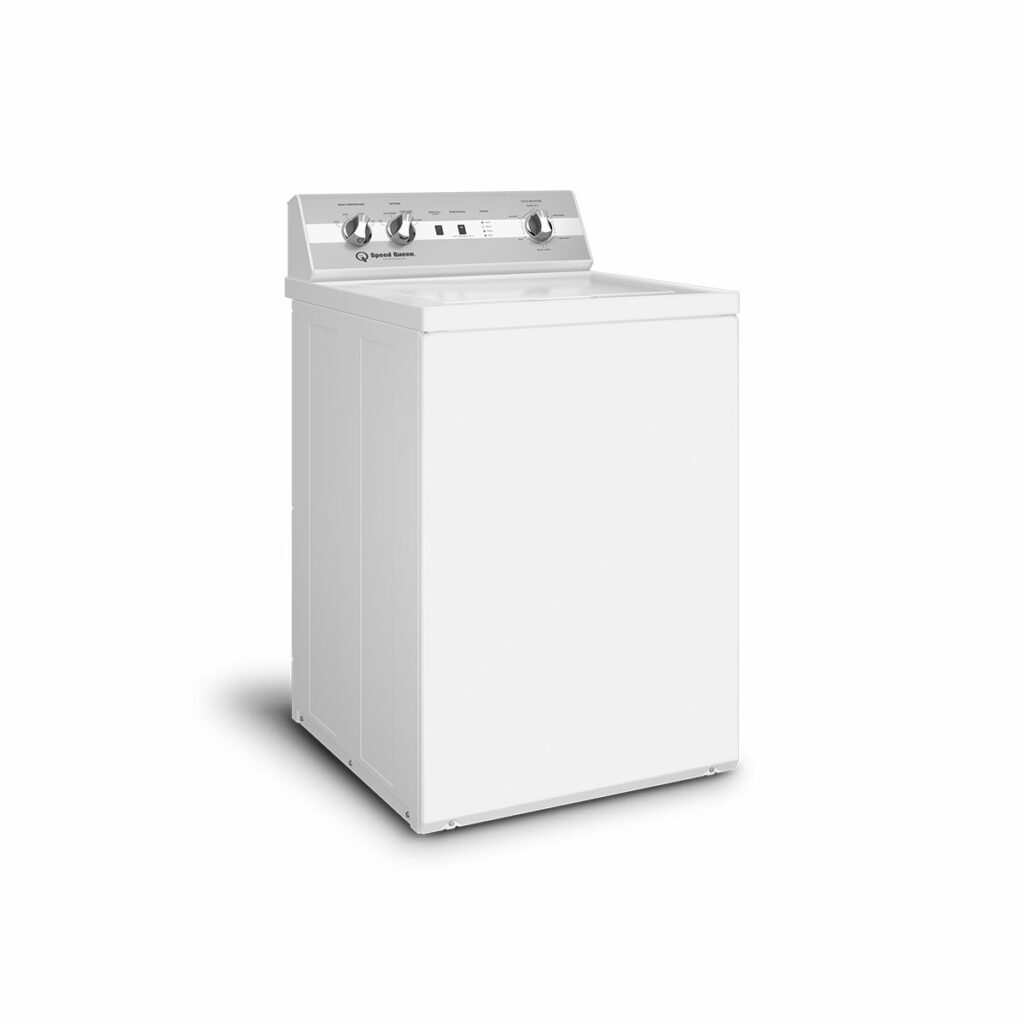
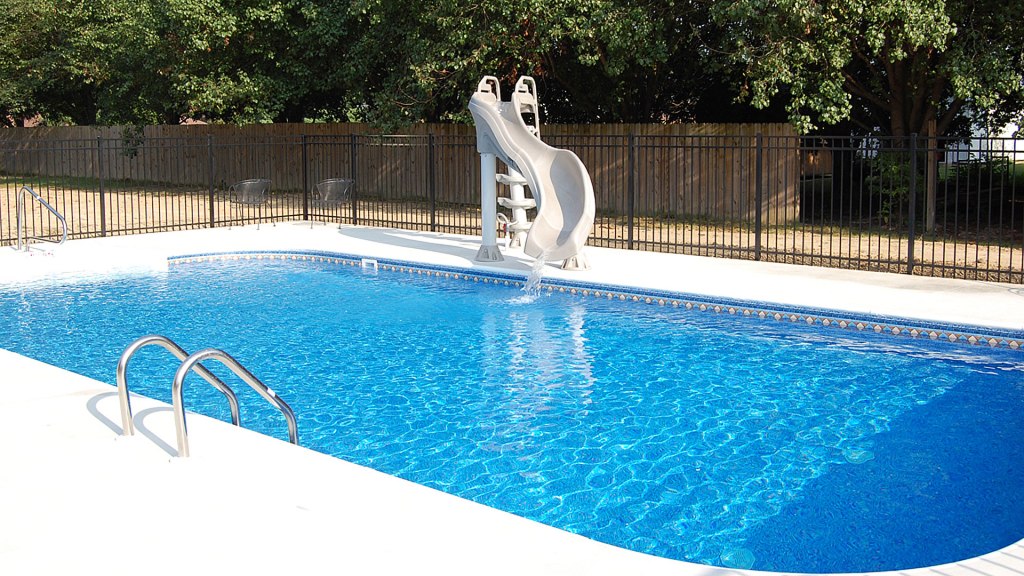

Is filling my washing machine honestly more of a threat to the global water crisis than say… filling 10.7 million swimming pools? Or, operating the 62,000+ car washes across the nation…?
We paid well over a grand for our new, full-fill Speed Queen washing machine. We looked at this same washer five years ago when I was fed up with my son’s hockey jerseys not getting clean due to quarter-filled drums of water. The price tag was too high back then, so we settled on yet another HE machine, boasting it ‘saves water’ due to using low water amounts but — runs longer to ensure cleaner clothes. I’m no expert in energy-saving technologies but if the cycle takes longer to wash and rinse clothes, doesn’t that require more energy?
Throughout this summer, I’ve been thinking a bit about all conservation technologies. In our work bathrooms, public restrooms, etc., automatic water faucets insist you move your hands 27x just to keep the drips coming. The gentle stream auto-stops three seconds after your hands are finally sudsy, your nerves sufficiently irritated. If we’re going to restrict water use with ‘smart’ technologies, can’t we time the water flow a bit SMARTER?

The powers that be appear to assume all Americans are leaving restroom faucets running and sticking their hands on a fast-moving agitator (thus, the lid-locked washers). Many of us are smart, good stewards of what God gave us, and know how to resourcefully use and respectfully care for the environment.
I’m 100% supportive of sensible solutions because water scarcity and contamination are very real in specific locations. However, the 20% stated energy savings of a HE washer is no match for the hundreds of gallons used at commercial car washes and in filling our pools every summer.
Every household being attentive to waste and water helps, but how do these small changes counterpunch the big water-hitters, and I don’t mean China dumping their trash into the sea. I’m talking about right here in America.

According to The Association of Pool and Spa Professionals, there are 10.7 million swimming pools in the U.S., 97% of them located in backyards (I have one of them), not community pools (one pool for every 33 people?!). Per Reuters, pool sales skyrocketed after Covid hit and the numbers are likely higher. In 2024, the surge is expected to continue.

How about commercial car washes?
On a major street ten minutes from my house, three new car washes were built within two miles of each other in the last two years. Those car wash lines rival the Tim Hortons coffee line of cars.
The car washing business has grown exponentially in recent years. According to census.gov, in 2019, there were nearly 17,000 car washes with employees, excluding all self-serve which would have included a hefty number. In 2020, a third-party group identified 62,750 car washes across the country including all – conveyor, bay and self-serve. That number is four-years old.

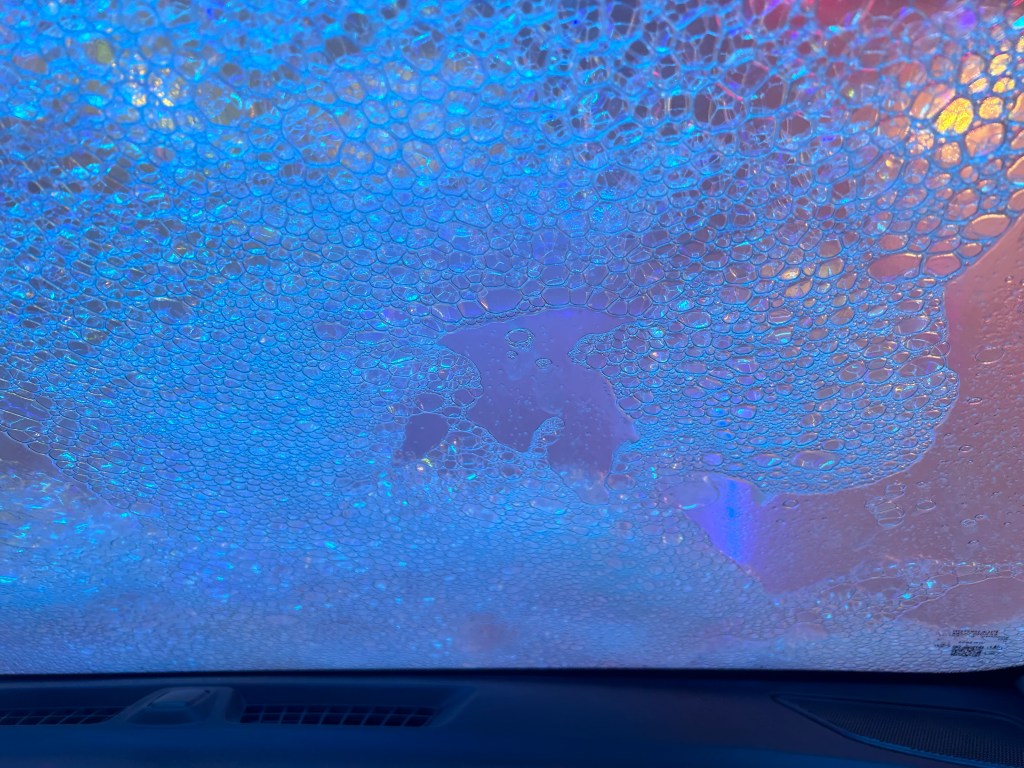



With few county exceptions across this entire nation, water recycling systems are not required for car washes. In fact, commercial car washes are not even mandated to reduce hours or close entirely during drought periods.
I get it that we have to start somewhere but a family washing clothes all year with full drums of water seems significantly less concerning than the accelerating increase of pool installations and additional/new built car washes.

Featured image source: https://www.jamesedition.com/stories/real-estate/luxury-houses-with-indoor-swimming-pools/


 Tales from a Mid-Lifer
Leave a reply to Mama’s Empty Nest Cancel reply